How to Set Up Your First Sales Funnel Without Hiring a Developer
Ever wonder why building a sales funnel seems like rocket science to some and a piece of cake to others? The truth is, setting up your first sales funnel doesn’t have to be a daunting task, even if you’ve never done it before. You don’t need a team of developers or a hefty budget. What you need is a straightforward path to get started, and that’s what I’m here to share with you today.
Understanding the Basics of a Sales Funnel
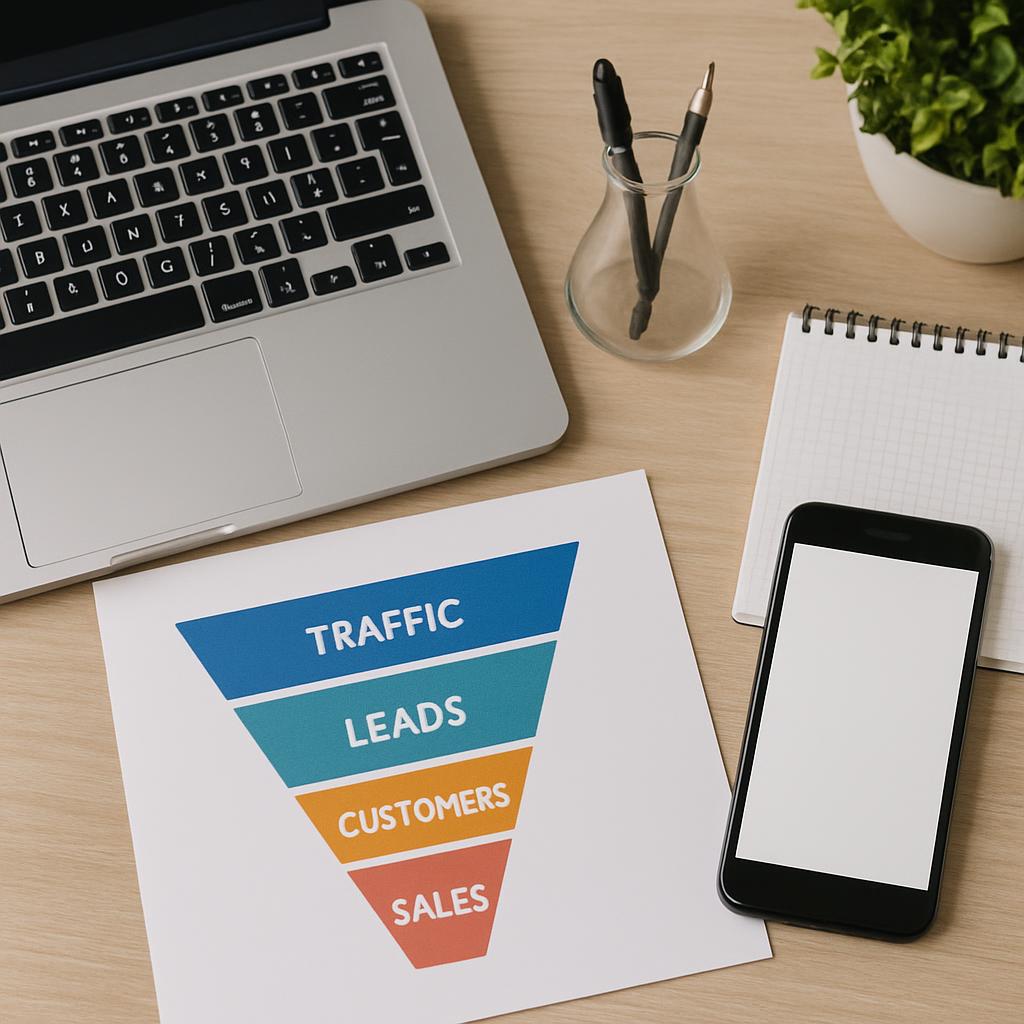
Before diving into the process, it’s crucial to understand what a sales funnel actually is. In simple terms, a sales funnel is a series of steps designed to guide potential customers from their first interaction with you to the final purchase. It typically includes stages like awareness, interest, decision, and action.
Think of it like a journey your customer takes — starting from learning about your product, developing an interest, considering their options, and finally making a purchase. Each step is a chance to nurture your relationship with them and move them closer to a sale.
Tools You’ll Need for a DIY Sales Funnel
Creating a sales funnel without a developer is completely doable with the right tools. Many platforms offer user-friendly interfaces that allow you to build funnels without any coding knowledge. Here are some key tools to consider:
- Landing page builders: Tools like ClickFunnels, Leadpages, or ConvertKit allow you to create pages that capture your audience’s attention and details.
- Email marketing software: Programs like Mailchimp or ActiveCampaign help you automate follow-up emails to keep potential customers engaged.
- Payment processors: Platforms such as PayPal or Stripe can be easily integrated to handle transactions.
- Analytics tools: Google Analytics or a built-in analytics tool can track your funnel’s performance, helping you tweak and optimize as needed.
Want the shortcut?
Grab my free guide: The Over-40 Affiliate Marketing Blueprint — The exact roadmap I’m using at 65 to build affiliate income from scratch. Built specifically for adults 40+. No credit card. No fluff.
Step-by-Step: Setting Up Your First Funnel
Now that you have the tools, let’s break down the process of setting up your first sales funnel:
- Define Your Goal: What do you want to achieve with your funnel? Whether it’s collecting emails or selling a product, having a clear goal is key.
- Create a Lead Magnet: Offer your audience something valuable in exchange for their email address, such as a free guide, checklist, or webinar.
- Design Your Landing Page: Use your chosen landing page builder to create a page that highlights the benefits of your lead magnet and includes a call to action.
- Set Up Email Automation: Once someone opts in, your email marketing software should automatically send a series of emails to nurture the relationship.
- Integrate Payment Options: If your goal is to sell a product or service, make sure your funnel seamlessly leads to a checkout page.
Testing and Optimizing Your Funnel
Once your funnel is live, the work isn’t over. Test different elements to see what works best. This might include trying out different headlines, images, or email subject lines. Use your analytics to understand where users drop off and where they’re most engaged.
Remember, building a successful sales funnel is an iterative process. Don’t be discouraged if you don’t see immediate results. Tweak, test, and improve continuously.
Final Thoughts
Setting up a sales funnel on your own might seem challenging at first, but with the right tools and a bit of patience, you’ll find it’s entirely achievable. You don’t need to be a tech wizard or have a big budget to make it happen. Just take it step by step.
By following these guidelines, you’ll be well on your way to creating a funnel that not only attracts potential customers but also turns them into loyal buyers. So, roll up your sleeves and start building!
Ready to Stop Guessing?
Download my free guide: The Over-40 Affiliate Marketing Blueprint. It’s the step-by-step roadmap I wish someone had handed me when I was starting out.
See the exact tools I used to set up my first sales funnel →
— Anthony