Free vs Paid Traffic: What Really Works When You’re Starting Out
Understanding Free vs Paid Traffic
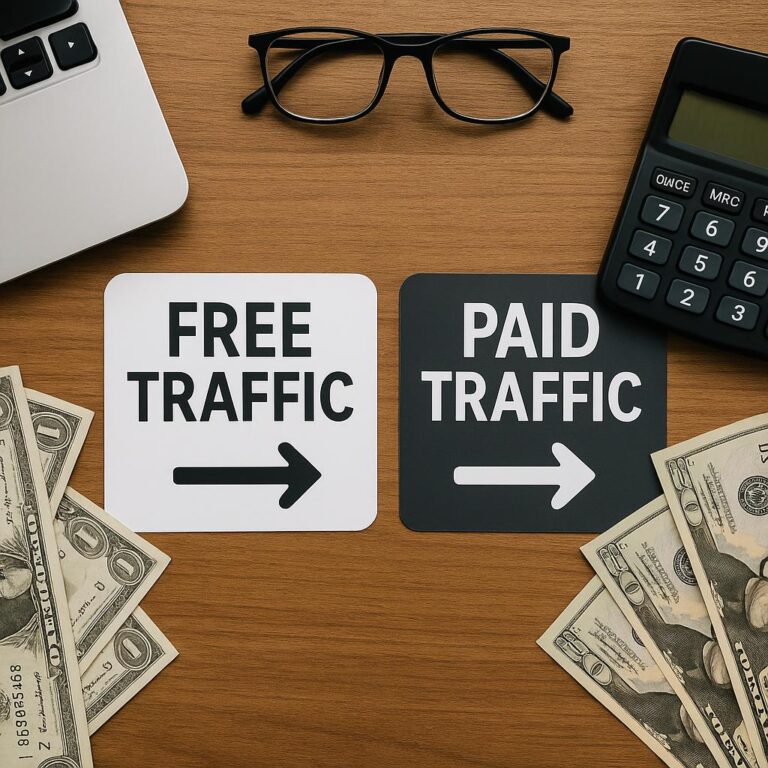
When you’re diving into the world of online marketing, one of the most crucial decisions you’ll face is whether to pursue free traffic or opt for paid traffic. Each has its pros and cons, especially for those of us in our 40s and beyond, where the stakes feel a bit higher. So, let’s break down what each option offers and what might work best for you.
Free Traffic: The Low-Risk Option
Free traffic is exactly what it sounds like: visitors coming to your website or offer without spending money on ads. This is done primarily through organic search, social media, and other free channels. While it’s appealing due to the lack of direct costs, it does require time, effort, and some strategy.
- Search Engine Optimization (SEO): By optimizing your content for search engines, you can attract visitors from Google and Bing. This can take time, but it’s a sustainable long-term strategy.
- Social Media Marketing: Sharing your content on platforms like Facebook, Instagram, or LinkedIn can help generate traffic. Engaging with your audience and being consistent is key here.
- Content Marketing: Blogging, creating videos, or even podcasts can establish you as an authority in your niche. Value-driven content attracts audiences naturally over time.
- Networking: Joining online forums or groups related to your niche can help you connect with like-minded individuals and potentially drive traffic to your site.
Pros and Cons of Free Traffic
While free traffic doesn’t cost you upfront, consider the time factor. Building an audience organically can take months or even years. However, it can lead to more engaged followers who trust your brand. The downside? If you’re in a competitive market, it can be challenging to rank well enough to see results.
Paid Traffic: The Quick Route
On the flip side, paid traffic gives you immediate results. You can set a budget, run ads on platforms like Google, Facebook, or Instagram, and, if done correctly, see traffic flowing to your offers almost instantly. But there’s a bit more to it than just throwing money at ads.
- Targeting Options: Paid traffic allows you to target specific audiences based on demographics, interests, and behaviors, which can be highly efficient.
- Quicker Results: If you’re looking for immediate results, this is your best bet. You’ll see traffic much faster than with free methods.
- Testing Opportunities: With paid traffic, you can easily test different ad copy, images, and targeting strategies to see what works best.
Pros and Cons of Paid Traffic
Though paid traffic can provide quick results, it’s essential to monitor your spending closely. If you don’t know what you’re doing, you could end up with a hefty bill and no returns. That’s why it’s crucial to invest time into learning how to optimize your campaigns for better results.
What Works Best for Beginners?
As someone who has been through my fair share of ups and downs in affiliate marketing, I’ve learned that the answer often lies in a combination of both free and paid traffic. Here’s what I recommend:
- Start with Free Traffic: Build your foundation. Create good content and engage with your audience. This builds trust and brings organic hits over time.
- Experiment with Paid Traffic: Once you have a better understanding of what resonates with your audience, consider investing a small part of your budget into paid traffic. Use it as a tool to amplify efforts you already have in place.
- Analyze and Adjust: Pay attention to where your traffic is coming from and what converts. Adjust your strategy based on your findings and don’t shy away from experimenting.
Final Thoughts
Remember, there’s no one-size-fits-all solution when it comes to traffic generation. Both methods require time and strategy but can yield great results. The key is to stay persistent, keep learning, and adapt your approach as you grow. You’ve got this!
Ready to see the system I use?
— Anthony