How to Set Up Your First Sales Funnel Without Hiring a Developer
You don’t need a developer or a big budget to build a sales funnel. I built mine at 65 with neither — here’s exactly how. I remember spending hours trying to decipher what a “landing page” was, let alone figuring out how to connect all the dots without hiring a developer. But over time, I discovered that building a sales funnel can be a straightforward process if you break it down into manageable steps. Here’s how you can set up your first sales funnel without needing any coding experience or outside help.
1. Understand the Basics of a Sales Funnel
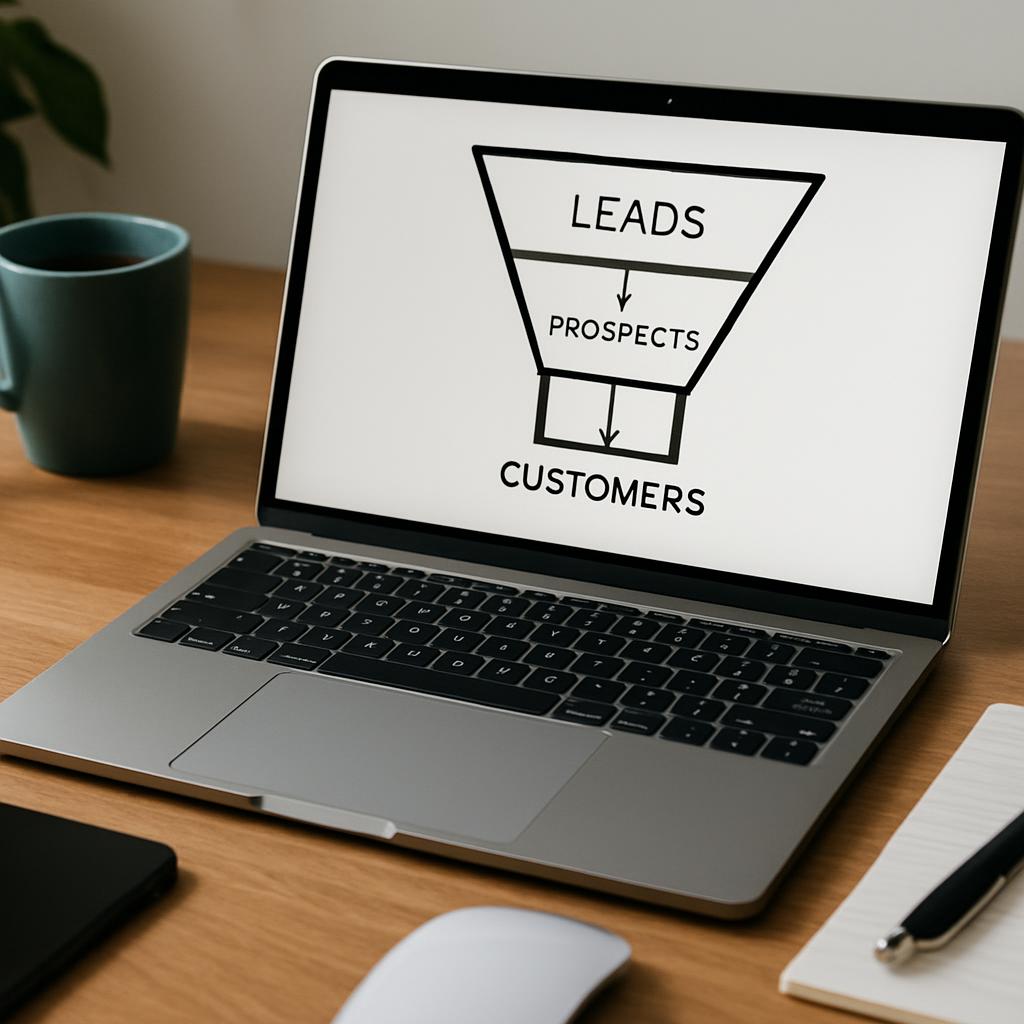
Before diving into tools and platforms, it’s crucial to understand the journey your customer takes from awareness to action. A typical sales funnel consists of several stages: awareness, interest, decision, and action. At each stage, your goal is to guide the potential customer closer to making a purchase.
2. Choose the Right Tools
There are numerous tools available today that make setting up a sales funnel easier than ever. Platforms like ClickFunnels, Leadpages, and ConvertKit offer user-friendly interfaces and templates tailored for beginners. These tools allow you to create landing pages, set up email automations, and track your conversions without touching a single line of code.
3. Create a Compelling Landing Page
Your landing page is often the first interaction a potential customer will have with your business. It needs to be clean, concise, and conversion-focused. Use templates provided by your chosen platform to create a page that clearly communicates your offer and encourages visitors to take the desired action, whether that’s signing up for a newsletter or purchasing a product.
4. Develop an Opt-In Incentive
To capture emails and nurture leads, you need to offer something valuable in exchange for their contact information. This could be a free eBook, a discount code, or an exclusive video. Ensure that your incentive is relevant to your audience and solves a problem they face.
5. Set Up an Email Sequence
Once you have captured emails, it’s time to engage with your prospects through an automated email sequence. This sequence should provide value, build trust, and gently guide the subscriber towards making a purchase. Most sales funnel platforms have built-in functionalities to create and manage email campaigns effortlessly.
6. Integrate Payment Systems
If you’re selling a product or service, you need a seamless way to collect payments. Platforms like Stripe and PayPal can be integrated with most funnel-building tools, allowing you to process transactions smoothly and securely.
7. Test and Optimize
Finally, the key to a successful sales funnel is continuous testing and optimization. Use analytics provided by your platform to track how your funnel performs at each stage. Experiment with different headlines, images, and calls-to-action to see what resonates best with your audience.
By following these steps, you can set up a fully functional sales funnel without the need for technical expertise or developer assistance. Remember, the most important part is to start and learn as you go. Each tweak and test is an opportunity to understand your audience better and improve your funnel’s effectiveness.